
Menstrual cycles do not have to occur on exactly the same date every month. Some variation can be normal. However, frequently missed periods, major changes in cycle length, prolonged bleeding, or unpredictable menstruation may indicate a problem worth investigating.
For women seeking irregular periods treatment in Airoli, Maharashtra, the first priority should be identifying the underlying reason for the cycle change.
What Can Cause Irregular Periods?
Menstrual irregularity can have many possible causes. These may include:
- PCOS
- Pregnancy
- Thyroid-related problems
- Significant weight changes
- Excessive exercise
- Stress
- Certain medications
- Perimenopausal hormonal changes
- Other reproductive or hormonal conditions
Because several conditions can produce similar symptoms, treatment without diagnosis may temporarily change bleeding without addressing the actual cause.
Track Your Cycle Before the Appointment
A menstrual record can provide useful information. Note the first day of each period, approximate duration, whether bleeding is unusually light or heavy, and any spotting between cycles.
Also record associated symptoms such as pelvic pain, acne, excess hair growth, weight changes, dizziness, or unusual discharge.
This creates a clearer picture than trying to remember several months of cycle changes during the consultation.
What Evaluation May Involve
The gynaecologist may ask about menstrual history, pregnancy possibility, medications, medical conditions, reproductive plans, and recent lifestyle changes.
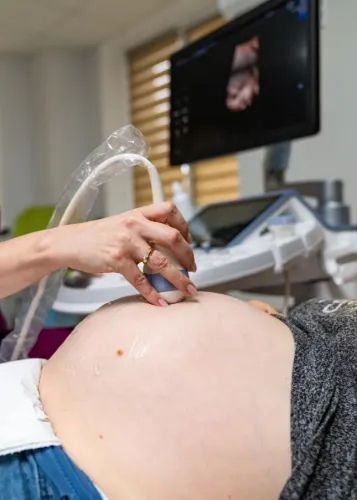
Depending on the findings, pregnancy testing, blood investigations, hormonal assessment, or sonography may be considered.
The appropriate tests vary between patients. A teenager with newly established menstrual cycles, a woman trying to conceive, and a woman approaching menopause may require different assessments.
Treatment Depends on Why Cycles Are Irregular
There is no universal medicine for irregular periods.
If PCOS is contributing, management may focus on cycle regulation together with metabolic or fertility considerations. If another medical or hormonal condition is identified, that condition may require specific management.
Women trying to become pregnant may need assessment of ovulation because highly irregular cycles can make fertile periods difficult to predict.
Do Not Ignore Heavy Bleeding
Irregularity sometimes occurs together with very heavy or prolonged menstrual bleeding. Significant blood loss can contribute to anaemia, causing tiredness, weakness, dizziness, or breathlessness.
Heavy bleeding, severe pain, fainting, or other significant symptoms warrant appropriate medical assessment.
Thombare Hospital provides gynaecological evaluation for menstrual concerns within its women’s healthcare services. Patients can seek assessment when cycle changes persist or begin interfering with daily life.
Periods provide useful information about reproductive health, but irregularity is a symptom rather than a diagnosis. Instead of repeatedly trying home remedies to “bring the period,” identifying the cause provides a more medically meaningful basis for treatment and future follow-up.
Keywords